
Top 10 Household Pests in India

India's warm and humid conditions attract nearly every major pest species. Whether you live in a metro or a small town, the chances are high you've battled at least one of these pests. This guide covers what brings them in, how to spot them early, and exactly which Pestocart products — with real prices from our store — will solve the problem fast.
German Cockroach
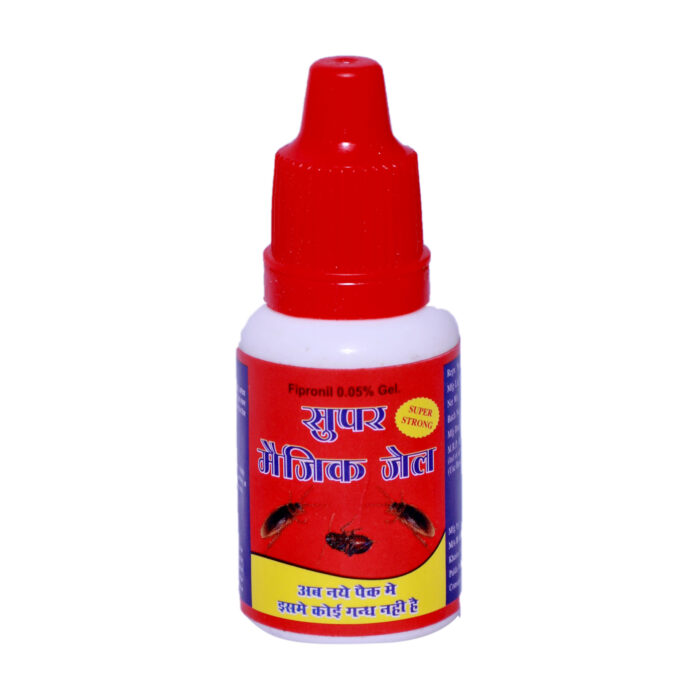
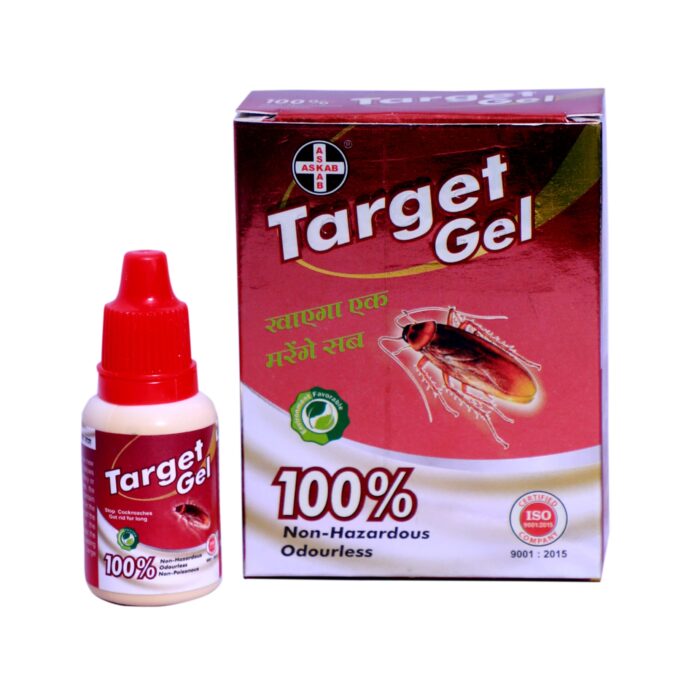
The German cockroach is India's most stubborn kitchen pest. It thrives in damp, warm spots — behind fridges, under sinks, inside drain gaps, and inside cabinets. A single female produces up to 400 offspring in her lifetime. Beyond being repulsive, cockroaches spread Salmonella, E. coli, and trigger childhood asthma. They are primarily active at night, which means you see only a fraction of the actual population.
- Apply gel bait in tiny dots every 6 inches near hinges, under sinks, and fridge rubber — do NOT wipe, it dissolves in 2-3 days
- Fix all water leaks immediately — cockroaches need moisture more than food
- Store food in airtight containers and empty dustbins daily
Mosquitoes
Mosquitoes are the deadliest animals on earth, transmitting Dengue, Malaria, Chikungunya, and Zika across India every monsoon season. They breed in stagnant water — cooler trays, flower pots, clogged drains, and even bottle caps hold enough water for thousands of larvae. India records millions of mosquito-borne illness cases every year, and prevention is far more effective than treatment.

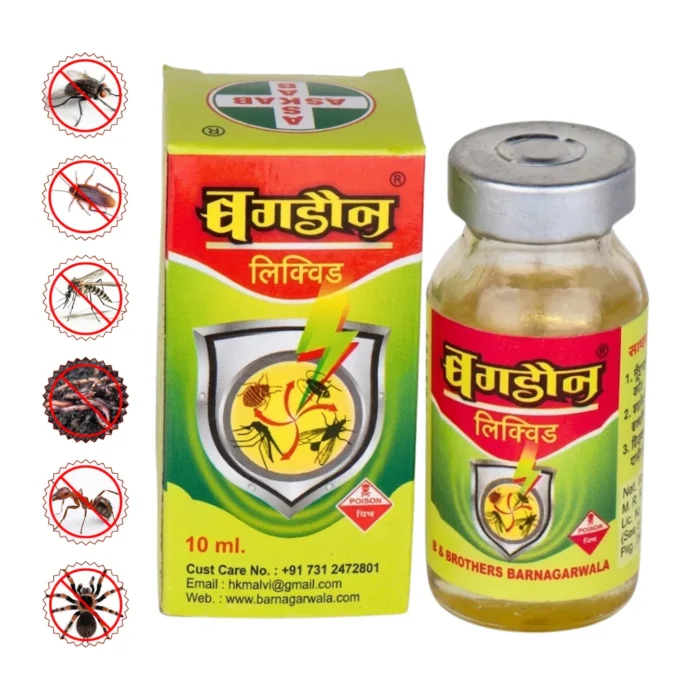
- Empty cooler trays and flower pot plates every 2 days during monsoon season
- Install mosquito mesh screens on windows and ventilators before June
- Mix Tata Sentry with water and spray on walls and surfaces every 3 months
Rats & Mice
Rats cause massive damage every year in Indian homes — gnawing electrical wires (a leading cause of house fires), destroying food stores, and spreading Leptospirosis and Salmonella. They can enter through gaps as small as 1cm and are almost entirely nocturnal. A single pair can produce up to 2,000 offspring in a year if left unchecked, so early intervention is critical.
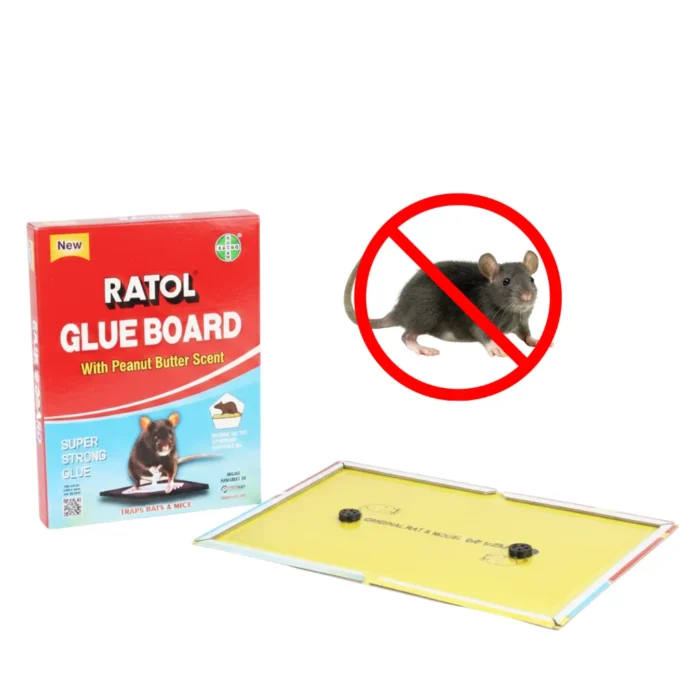
- Place glue traps along walls where rats run — never in the open centre of the room
- Seal gaps larger than 1cm around pipes and doors with steel wool + sealant
- Store grains only in metal or hard plastic containers, never in paper or cloth bags
Ants
Ants are the most visible household pest in India, especially during summer. Most species are a nuisance, but Red Fire Ants can deliver painful stings and Carpenter Ants actively damage wooden structures. Once an ant scout finds food and leaves a pheromone trail, an entire colony follows within hours. The key to eliminating ants is targeting the colony — not just the visible ants.
- Wipe counters with white vinegar — disrupts pheromone trails so ants can't follow the path
- Seal cracks in window frames, door gaps, and plumbing entry points with caulk
- Keep pet food bowls in a tray of water to create a simple moat barrier
Bed Bugs
Bed bugs are flat, reddish-brown insects that hide in mattress seams, headboards, sofa cushions, and electrical outlets. They feed only on blood at night and are extremely difficult to detect until the infestation is large. A single surviving pregnant female can restart a full infestation. Post-pandemic travel has caused a significant surge in bed bug cases across India's hotels, hostels, and homes.
- After travel, leave luggage in direct sunlight for 2+ hours or dry on high heat before bringing indoors
- Vacuum all mattress seams, sofa crevices, and bed frames every week
- Spray ALL SHIELD on bed frames and behind headboards for residual protection
House Lizards (Geckos)
Common house geckos eat mosquitoes and flies, which makes them technically helpful — but their droppings contaminate food surfaces, cause allergic reactions in sensitive individuals, and are unhygienic and unsightly on walls. During monsoon, lizard populations can multiply rapidly and become a genuine nuisance in Indian homes, especially kitchens and bathrooms.
- Reduce insects near lights — lizards follow their food source indoors
- Spray ALL SHIELD around window edges, door frames, and behind switches
- Seal wall cracks and gaps around plumbing pipes to remove lizard entry points
Termites (White Ants)
Termites cause thousands of crores worth of property damage annually in India. They work silently inside wood, walls, and soil — often going undetected for months until significant structural damage is done. Subterranean termites build mud tubes along walls to travel from soil to wood. They are most active post-monsoon when soil moisture is high.
- Do a wall and furniture inspection every post-monsoon for mud tubes and hollow sounds
- Keep wood furniture away from external walls and soil contact
- Apply ALL SHIELD around wood frames, skirting boards, and wall-floor joints
Houseflies
The housefly carries over 65 diseases including Typhoid, Cholera, and Dysentery. A single fly can transfer millions of microorganisms onto food in seconds. In Indian kitchens where fresh food is prepared openly, flies are a constant contamination risk. They breed in garbage, wet waste, and animal droppings, laying up to 500 eggs per week per female.
- Cover all food with lids or wrap immediately — never leave food uncovered in kitchen
- Empty and disinfect dustbins daily with a phenyl-based cleaner
- Spray Tata Sentry solution on walls and surfaces every 3-4 months as a residual barrier
Spiders
Most house spiders in India are harmless and actually control other insects. However, species like the Indian Black Widow deliver medically significant bites. A large number of spiders indoors signals a bigger insect problem — they follow prey inside. Excessive webs also collect dust, damage wall paint, and make your home look unkept.
- Spray insect killer along window corners and ceiling edges where spiders build webs
- Control the insect population inside — fewer insects means fewer spiders
- Use a long-handle broom to remove webs weekly to discourage re-establishment
Silverfish & Booklice
Silverfish are fast-moving, wingless insects that feed on paper starch, book bindings, cotton fabrics, and wallpaper. They thrive in humid, dark Indian environments — lofts, bookshelves, bathroom cabinets, and old storage boxes. Left unchecked, they can destroy entire bookshelves, important documents, and cotton clothing within a single monsoon season.
- Reduce humidity in storage areas with silica gel packets or a dehumidifier
- Store books and documents in plastic-sealed boxes instead of open shelves
- Spray Tata Sentry solution in bookshelves, loft corners, and cabinet edges every season
Protect Your Home Today
All the pests on this list are manageable with the right products and consistent habits. Pestocart stocks professional-grade solutions — with genuine brands, real prices, and fast delivery across India.
Shop All Products →